

Ideation and Brainstorming
The “blank page syndrome” or “writer’s block,” which is often the first hurdle in creativity, can be overcome with AI.
- Offering Different Perspectives: When students are stuck on a topic, they can ask AI, “How would a sociologist approach this topic?” or “Suggest 10 unconventional ideas to solve this problem.”
- Rapid Concept Development: They can quickly get multiple titles, subheadings, or draft outlines for a project or paper.
- Creating Analogies and Metaphors: To make a complex technical subject (like a principle in engineering) more understandable, they can ask AI to create a simple analogy or metaphor.
2.Rapid Prototyping and Visualization
Making ideas tangible is a critical part of creativity. AI can reduce this process from weeks to minutes.
- Visual Creation: Using tools like DALL-E or Midjourney, students can instantly turn a concept in their mind into a visual for a presentation, poster, or project. For example, they can instantly design a “sustainable future city.”
- Coding and Design: By saying, “Write the HTML code for a simple website explaining this idea” or “Create a mockup for a mobile app interface,” they can see a prototype of their idea without getting bogged down in technical details.
- Text and Script Drafts: They can quickly generate first drafts for a short film script, ad copy, or a social media campaign.
3.Research and Data Analysis
Creativity is often about making new connections between existing pieces of information. AI makes finding these connections easier.
- Information Synthesis: Instead of reading dozens of articles, students can ask AI to summarize their main ideas and find the common themes among them. This saves time and helps the student see the “big picture.”
- Pattern Recognition: Especially in data-heavy fields (Economics, Sociology, Bioinformatics), AI can find correlations and patterns in large datasets that a human eye might miss, leading to new and creative hypotheses.
4.Skill Development and Overcoming Barriers
Sometimes, creativity is blocked by technical limitations. AI bridges this gap.
- Technical Support: A social sciences student who doesn’t know how to code can have AI write a simple data analysis script for their project. An engineering student with no design skills can create an aesthetic visual for their presentation.
- Breaking the Language Barrier: They can use AI’s translation and paraphrasing capabilities to express their ideas in different languages or draw inspiration from foreign sources.
- Instant Feedback: They can get immediate feedback on an essay or text they’ve written. A question like, “How can I make this paragraph more persuasive?” allows them to make creative revisions.
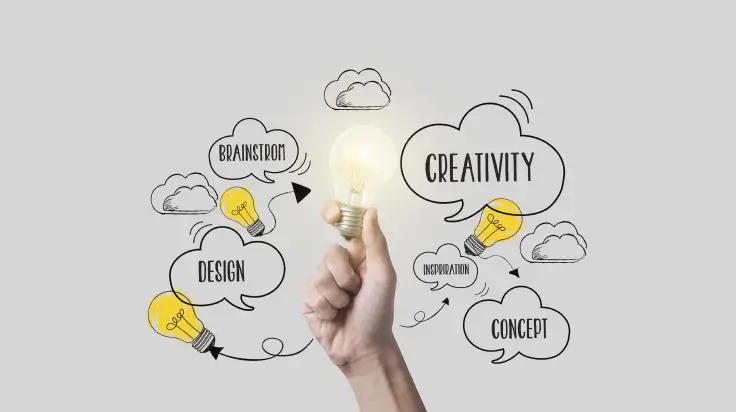
AI Creativity Blog Image


Leave a Reply